Learn Quranic Arabic Online: Step-by-Step Guide
Embarking on the journey to learn the Arabic language of the Quran is a deeply rewarding experience. It opens a direct path to a more profound connection with Allah's words. For many, the goal is not just to read but to truly understand the divine message. Learning Quranic Arabic allows you to move beyond translations and grasp the nuanced beauty of the text. This guide will provide you with a clear, step-by-step approach to mastering the language of the Holy Quran through online learning, enhancing your knowledge of the Quran and enriching your Quranic recitation.
Understanding Quranic Arabic: What Makes It Unique?

Quranic Arabic is the specific form of the Arabic language found in the Holy Quran. While it shares a foundation with other forms of Arabic, it has a distinct vocabulary, grammar, and eloquent style that sets it apart. Understanding this uniqueness is the first step toward appreciating its depth. You do not necessarily need to know modern Arabic before starting a Quranic Arabic course, as many programs are designed for absolute beginners.
A dedicated Arabic course focused on the Quran provides a strong foundation by teaching you the specific terminology and grammatical structures used in the sacred text. This targeted approach helps you build a direct connection to the language of revelation, fostering a deeper understanding of the Quran and its message.
Differences Between Quranic and Modern Standard Arabic
While both are forms of the Arabic language, Quranic Arabic and Modern Standard Arabic (MSA) have notable differences that are important for any learner to recognize. MSA is the language used in news, books, and formal communication across the Arab world today. Quranic Arabic, or Classical Arabic, is the language of the Quran and classical Islamic literature.
The primary distinctions lie in vocabulary and sentence structure. Many words used in the Quran are no longer common in everyday modern speech. According to Kees Versteegh, a specialist in Arabic and Islam, "The main difference between Classical Arabic and Modern Standard Arabic is in the vocabulary." This means that even a fluent speaker of MSA would need to study specifically to gain a full knowledge of the Quran.
Key differences include:
Vocabulary: Quranic Arabic contains unique words and expressions not found in MSA.
Grammar: While the core grammar is similar, some grammatical constructions in the Quran are considered archaic in modern usage.
Eloquence (Balagha): The Quran features a level of rhetorical beauty and eloquence that is a central subject of Quranic studies itself.
Why Learn Quranic Arabic Online?
In today's digital world, online learning has made the pursuit of knowledge more accessible than ever. When you decide to learn Quran online, you unlock a host of benefits that traditional classroom settings may not offer. The primary advantage is the incredible convenience and flexibility to create your own schedule.
This flexibility is particularly helpful if you have a busy life, allowing you to learn Quranic Arabic from the comfort of your own home and at your own pace. Furthermore, online platforms connect you with qualified teachers from around the globe, giving you access to expertise you might not find locally. This is essential for mastering correct Quranic recitation and understanding.
Here are some compelling reasons to choose online learning:
Personalized Experience: Many online courses offer one-on-one lessons, tailoring the curriculum to your specific needs and learning speed.
Cost-Effective: Online education often eliminates costs associated with travel and physical materials, making it a more affordable option.
Focused Environment: Learning at home can reduce distractions, helping you concentrate better and improve information retention for a richer learning experience.
Key Features to Look for in Online Quranic Arabic Courses
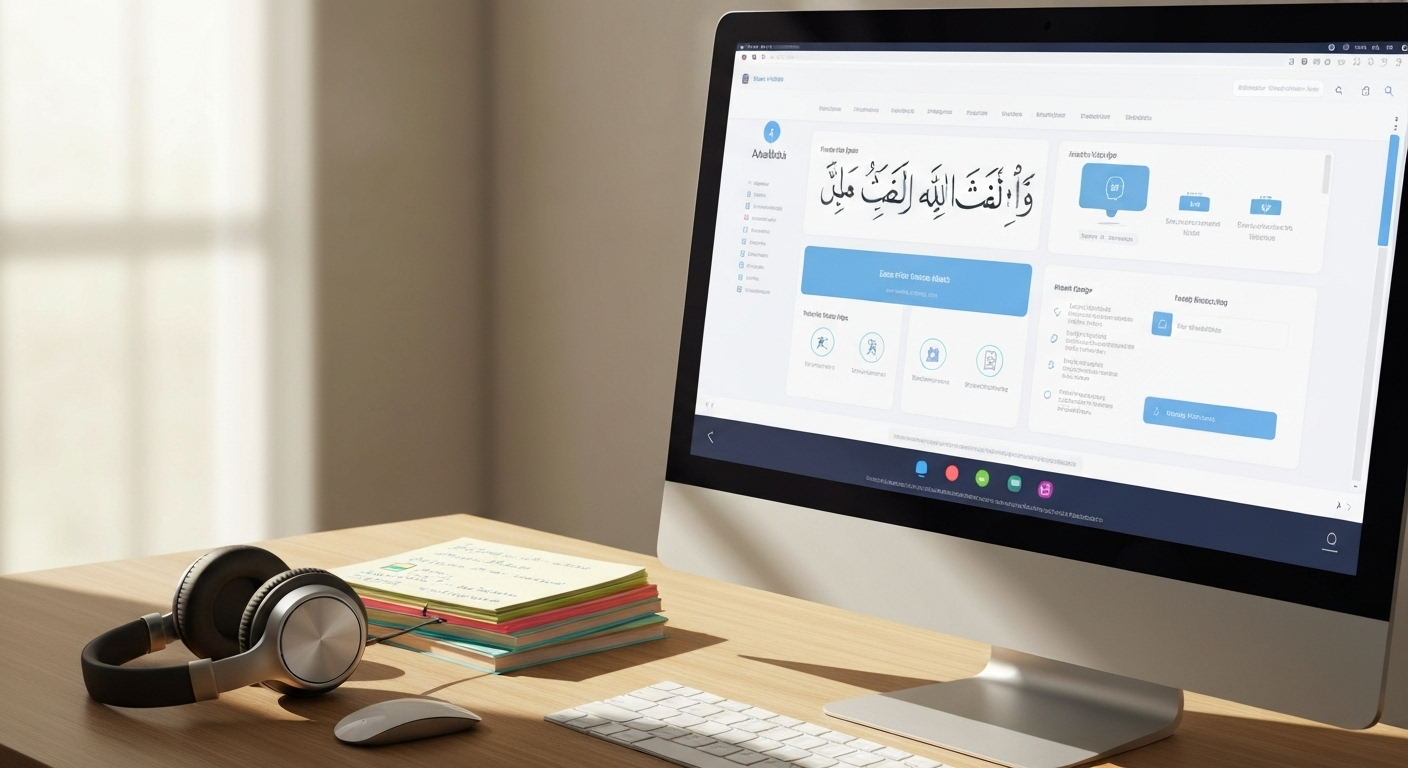
Choosing the right Quranic Arabic course is crucial for your success. With so many options available, it’s important to know what features signal a high-quality program. A great course will do more than just teach you words; it will provide a strong foundation in grammar, context, and proper recitation, ensuring your online Quran learning journey is effective.
When you are comparing different platforms, look beyond the price. Focus on the structure of the curriculum, the qualifications of the instructors, and the learning tools they provide. These elements will ultimately determine how well you can develop your Quranic studies and achieve your goals.
Qualified Instructors and Structured Curriculum
The quality of your teacher has a direct impact on your learning experience. Look for online academies that employ qualified teachers, preferably native Arab speakers who specialize in Quranic Arabic. The best instructors have not only mastered the language but are also experienced in teaching non-native speakers. Many reputable platforms ensure their tutors have undergone background checks and regular assessments to maintain high teaching standards.
A structured curriculum is just as important. A good Quranic Arabic course is thoughtfully designed by experts to guide you logically from one concept to the next. It should cover all essential components of the language, from grammar and morphology (Sarf) to vocabulary and the principles of Tafsir (interpretation). This ensures you build a comprehensive understanding, not just fragmented knowledge.
When evaluating a course, check for these features:
Expert-Designed Modules: The curriculum should be created by Quran scholars or expert Arabic speakers.
Comprehensive Topics: Ensure the course covers grammar, vocabulary, pronunciation, and contextual understanding.
Personalized Plans: The best Quran classes offer customized study plans that adapt to your proficiency level and learning pace.
Interactive Tools and Multimedia Resources
Effective online learning goes beyond static video lectures. The best online Quranic Arabic academies use a variety of interactive tools and multimedia resources to create an engaging and dynamic environment. These tools help transform passive learning into an active experience, which significantly improves retention and comprehension. Interactive methods are central to how modern online platforms teach.
Imagine being able to click on any word in a verse to hear its pronunciation and see its translation, or using digital flashcards to memorize vocabulary. Online academies often use a modern Learning Management System (LMS) that provides access to class reports, assessments, and supplementary materials. This technology makes tracking your progress simple and keeps you motivated.
Look for courses that offer:
Multimedia Content: Access to videos, audio recordings of recitations, and interactive exercises to reinforce lessons.
Live, Interactive Classes: One-on-one or small group sessions that allow you to engage directly with your instructor and ask questions.
Progress Tracking: Quizzes, regular assessments, and feedback reports to help you monitor your improvement.
Popular Online Platforms and Courses for Quranic Arabic in India
Finding the right platform is a key step in your journey to learn Quranic Arabic. Fortunately, there are several reputable online academies that offer high-quality programs accessible to learners in India and worldwide. These platforms provide a range of courses catering to different levels, from absolute beginners to advanced students seeking an Ijaazah (certification).
When exploring your options, consider institutes that specialize in teaching the Quran and Arabic to non-native speakers. They often have tailored curricula and experienced instructors who understand the unique challenges you might face. The following sections will highlight some top-rated academies and compare different learning options.
Top-Rated Institutes and Academies
When searching for the best online Quran classes, certain names frequently come up due to their commitment to quality and student success. Institutes like Riwaq Al Quran and Al-Azhar Classes have established themselves as leaders in online Islamic education. They are known for their experienced, qualified teachers and comprehensive programs that cover everything from basic reading to advanced Quran memorization.
These academies offer a structured online learning environment designed to help you achieve your goals effectively. They provide personalized attention through one-on-one sessions, ensuring that you receive the guidance you need. Their flexible scheduling, often available 24/7, makes it possible for anyone, including busy professionals and children, to find a convenient time for their lessons. This dedication to student support is what sets them apart.
Free vs. Paid Learning Options
When you decide to learn Quranic Arabic, you'll find both free and paid resources available online. Free resources, such as YouTube videos, language exchange apps, and introductory articles, can be excellent starting points. They allow you to get a feel for the language without any financial commitment and can supplement your learning.
However, for a structured and comprehensive education, paid courses are often the superior choice. Paid online Quran learning programs provide a well-organized curriculum, direct access to qualified instructors for feedback, and personalized study plans. This structured environment is crucial for building a strong foundation and making steady progress. According to a study, learners often benefit from the accountability and structure that paid courses provide.
Here’s a quick comparison:
Free Resources: Great for initial exposure and supplementary practice but often lack structure and expert guidance.
Paid Courses: Offer a complete learning path, expert feedback, progress tracking, and a supportive learning environment.
Best Approach: A combination of a structured paid course for core learning and free resources for additional practice can be highly effective.
Essential Resources and Tools to Get Started
Beyond enrolling in a course, gathering the right resources and tools can significantly enhance your learning experience. These supplementary materials help reinforce what you learn in class, making your study time more effective and enjoyable. Having a good set of tools at your disposal is key to mastering Quranic Arabic.
From classic textbooks to modern digital apps, the right resources can help you practice vocabulary, understand complex grammar, and perfect your Quranic recitation. The following sections will introduce you to recommended study materials and online communities that can support you on your learning journey.
Recommended Textbooks and Study Materials
While your online course will provide primary instructional material, supplementing it with well-regarded textbooks and study aids can build a stronger foundation. Many online academies carefully select or create their own study materials, such as customized worksheets and e-learning tools, to ensure the best outcomes. These are designed to align perfectly with their curriculum.
For independent study, you can look for materials that focus specifically on Quranic Arabic. Classic textbooks on Arabic grammar, or Nahw, and morphology, or Sarf, are invaluable. Additionally, creating your own flashcards, either physical or digital, is a time-tested method for memorizing the vocabulary you encounter in the Quran. These simple tools can dramatically improve your retention.
Consider adding these to your study toolkit:
A Good Quranic Dictionary: A dictionary like "Dictionary of the Holy Quran" can help you look up words as you read.
Grammar Guides: Books that break down the grammatical rules of Classical Arabic are essential for a deep understanding of the Quran.
Digital Flashcard Apps: Use apps like Anki or Quizlet to create and practice vocabulary sets based on Quranic verses.
Useful Apps, Forums, and Online Communities
In the digital age, your smartphone can be one of your most powerful learning tools. There are many useful apps designed to support Quranic studies, from Quran readers with word-by-word translations to grammar-focused applications. Using these apps for even a few minutes each day can help reinforce your knowledge and keep the language fresh in your mind.
Beyond apps, joining online communities can greatly enrich your learning experience. Online forums and social media groups dedicated to learning Quranic Arabic provide a space to ask questions, share resources, and connect with fellow students from around the world. This sense of community can be incredibly motivating and helpful when you encounter challenges.
Here are some resources to explore:
Quran Apps: Look for apps that offer tafsir, word-by-word analysis, and multiple recitations.
Online Forums: Websites like Reddit have communities (e.g., r/learn_arabic) where learners discuss resources and tips.
Social Media Groups: Facebook and other platforms host groups for students of Quranic Arabic, offering peer support and encouragement.
Beginner’s Guide: How to Start Learning Quranic Arabic Online
Starting your journey to learn Quranic Arabic online can feel exciting yet overwhelming. Where do you begin? This beginner guide is designed to simplify the process and give you a clear starting point. With the right preparation and a step-by-step approach, you can set yourself up for a successful and fulfilling learning experience.
Before you even enroll in your first of many Quran classes, there are a few practical things to get in order. From ensuring you have the right equipment to understanding the basic steps of learning, a little preparation goes a long way. Let's walk through what you need and how to take your first steps.
What You Need Before You Begin (Device, Internet, Materials)
To ensure a smooth online learning experience, it's essential to have the right setup. The good news is that you don't need a lot of fancy equipment. The primary requirements are a reliable device and a stable internet connection. This simple setup allows you to connect with your teacher and access course materials from the comfort of your own home.
Your choice of device depends on your preference; a laptop or desktop computer is often ideal for its larger screen, but a tablet or even a smartphone can work well for lessons on the go. A good pair of headphones with a microphone is also highly recommended. This will help you hear your instructor clearly and ensure they can hear you during recitation practice, which is crucial for getting accurate feedback.
Here is a simple checklist of what you'll need:
A Reliable Device: A computer, laptop, or tablet.
Stable Internet Connection: To avoid interruptions during live classes.
Basic Materials: A headset with a microphone, a notebook for taking notes, and any specific software or books required by your course.
Step-by-Step Process for Beginners
Once you have your setup ready, you can focus on the learning process itself. For beginners, online Quran academies typically follow a logical, step-by-step method designed to build a strong foundation. This structured approach prevents you from feeling overwhelmed and ensures you master the basics before moving on to more complex topics.
The journey usually begins with mastering the Arabic alphabet and its sounds. From there, you will be introduced to basic vocabulary and fundamental grammar rules. The goal is to equip you with the tools to start reading and understanding short verses from the Quran. This gradual process makes online learning highly effective for mastering Quranic Arabic.
A typical learning path for a beginner includes these steps:
Master the Arabic Script: Learn to recognize, read, and write all the letters.
Build Foundational Vocabulary: Focus on high-frequency words that appear often in the Quran.
Learn Essential Grammar: Understand basic sentence structure, nouns, and verbs.
Practice with Short Surahs: Apply your knowledge by reading and analyzing short chapters of the Quran.
Step-by-Step Guide to Learning Quranic Arabic Online
Now that you're ready to begin, this step-by-step guide will walk you through the entire process of learning Quranic Arabic online. Following these structured steps will help you stay organized, motivated, and on track to achieve your learning objectives. This is your roadmap to success in your chosen Quranic Arabic course.
From defining your goals to practicing regularly, each step plays a vital role in your online learning journey. By approaching your studies with intention and a clear plan, you can make consistent progress and transform your relationship with the Quran. Let’s explore each step in detail.
Step 1: Setting Clear Learning Goals and Expectations
The first and most important step is to define your goals. What do you want to achieve by learning Quranic Arabic? Do you want to understand the general meaning of what you recite in prayer, or do you aspire to analyze the text with deep linguistic insight? Having clear goals will help you choose the right course and stay motivated throughout your learning experience.
It’s also crucial to set realistic expectations. Learning a language takes time and consistent effort. While you can grasp the fundamentals within a few months of dedicated study, achieving a deep comprehension can take years. Be patient with yourself and celebrate small victories along the way. Your journey is a marathon, not a sprint.
Setting clear goals helps you build a strong foundation because it gives your studies purpose. Whether your aim is to memorize a certain number of surahs or to understand the grammar of a specific chapter, having a target makes your efforts more focused and your progress more measurable.
Step 2: Choosing the Right Course and Scheduling Lessons
With your goals in mind, the next step is to select a Quranic Arabic course that aligns with your objectives. Refer back to the key features discussed earlier: qualified instructors, a structured curriculum, and interactive tools. Many platforms offer free trial classes, which are a great opportunity to experience their teaching style before committing.
Once you’ve chosen a course, scheduling your lessons is the key to consistency. The flexibility of online learning is a huge advantage, but it also requires self-discipline. Look at your weekly routine and find a dedicated time for your Quran classes. Treating your lessons as non-negotiable appointments will help you build a consistent study habit.
Most online platforms offer highly flexible scheduling, with tutors available 24/7. This allows you to book sessions that fit your lifestyle, whether it's early in the morning, late at night, or on the weekends. Consistent scheduling is fundamental to making steady progress in your online learning journey.
Step 3: Building Core Vocabulary and Grammar Basics
The core of learning any language is building its vocabulary and understanding its grammar. In Quranic Arabic, this means focusing on the words and grammatical structures that are most common in the Quran. A good course will introduce you to high-frequency vocabulary early on, allowing you to start recognizing words in verses quickly.
Simultaneously, you will learn the basics of Arabic grammar (Nahw) and morphology (Sarf). This is not about memorizing complex rules but about understanding how sentences are built and how words are formed. This knowledge is the key that unlocks the meaning of the verses and provides a much richer learning experience.
Your instructor will guide you through these fundamentals, often using verses from the Quran as examples. This practical application helps you see the rules in action and makes the learning process more relevant and engaging. Mastering these basics is essential before you can move on to more advanced analysis.
Step 4: Practicing Reading, Listening, and Recitation (Tajweed)
Language is a skill that requires practice across all four domains: reading, listening, speaking, and writing. For Quranic Arabic, this includes the crucial skill of proper Quran recitation, governed by Tajweed rules. Tajweed is the science of pronouncing each letter of the Quran correctly to preserve its meaning and beauty. Many online courses integrate a Tajweed course directly into their curriculum.
Make it a daily habit to read a portion of the Quran, even if it's just a few verses. Pay attention to the words you've learned and try to identify the grammar rules you've studied. Listening to recitations by qualified Qaris is also essential. This will help you internalize the correct pronunciation, rhythm, and intonation of the language.
Your one-on-one sessions are the perfect opportunity to practice your own recitation. Your teacher will provide immediate feedback on your pronunciation and application of Tajweed rules. This guided practice is invaluable for gaining confidence and improving your knowledge of the Quran.
Step 5: Tracking Progress and Seeking Feedback
To stay motivated and ensure you are on the right path, it's important to regularly track your progress and seek feedback. Most reputable online institutes provide tools to help you with this, such as regular assessments, quizzes, and detailed progress reports. These tools give you a clear picture of your strengths and areas that need more attention.
Feedback from your instructor is one of the most valuable assets in your learning experience. Don't be afraid to ask questions and request clarification. In one-on-one sessions, your teacher can pinpoint specific mistakes in your recitation or understanding and provide targeted guidance to help you improve.
For advanced students, some institutes offer the opportunity to earn an Ijaazah, which is a certificate that grants you the authority to teach the Quran to others. This serves as a significant milestone and a formal recognition of your mastery. Even if you are not seeking certification, tracking progress is key to a successful journey in learning Quranic Arabic.
Tips for Success and Staying Motivated
The journey of online learning requires self-discipline and sustained motivation. While the flexibility is a great benefit, it can also be a challenge to stay on track without the structure of a physical classroom. Finding strategies to maintain your enthusiasm is key to long-term success.
Connecting with other learners and celebrating small achievements are powerful ways to keep your motivation high. The following sections offer practical tips for making your learning experience more collaborative and for overcoming the common hurdles that beginners often face.
Joining Online Study Groups and Discussion Forums
You don't have to learn in isolation. Joining online study groups or discussion forums can transform your solo learning experience into a collaborative one. These communities provide a platform to interact with peers who share your goals, offering mutual support and encouragement. It's a great way to feel connected and less alone on your journey.
In these forums, you can ask questions about difficult grammar points, share useful resources you've found, or simply discuss your progress and challenges. Hearing from others who are on the same path can provide new perspectives and practical solutions to problems you might be facing in your Quranic studies.
Here’s how to get involved:
Find a Study Partner: Connect with another student in your course to review lessons and practice together.
Participate in Forums: Actively engage in discussions on platforms like Reddit or dedicated language learning websites.
Join Social Media Groups: Look for Facebook or WhatsApp groups for students of Quranic Arabic.
Overcoming Common Challenges as a Beginner
Every beginner faces challenges when learning a new language, and Quranic Arabic is no exception. It’s normal to feel overwhelmed by new grammar rules, a large vocabulary, or the subtleties of pronunciation. The key is to recognize these challenges and have strategies in place to overcome them.
One of the biggest hurdles is maintaining momentum. When progress feels slow, it's easy to lose motivation. To combat this, break down your goals into smaller, manageable tasks. Instead of aiming to "learn grammar," focus on mastering one specific rule at a time. This makes the process less daunting and allows you to celebrate frequent, small successes.
Here are some common challenges and how to tackle them:
Feeling Overwhelmed: Break down large topics into small, daily study sessions. Consistency is more important than intensity.
Forgetting Vocabulary: Use flashcards and review them daily. Practice using new words in sentences.
Losing Motivation: Remind yourself of your original intention for learning. Connect with a study group for support and accountability.
Conclusion
In conclusion, learning Quranic Arabic online opens doors to understanding and connecting with the rich heritage of Islamic texts. By utilizing the step-by-step guide we discussed, you can navigate through the unique aspects of Quranic Arabic and find the right resources that cater to your learning style. Whether you're a beginner or looking to enhance your existing knowledge, the key is to stay motivated and committed. Don't hesitate to join online communities for support and guidance along your journey. If you’re ready to embark on this enriching experience, get a free consultation to find the best online courses tailored for you.
Frequently Asked Questions
How long does it typically take to learn Quranic Arabic online?
The time it takes to learn Quranic Arabic varies. With consistent online learning, you can build a strong foundation and understand the basics in a few months. Achieving deep comprehension and fluency, however, is a longer-term commitment that may take several years of dedicated study.
Is it necessary to know modern Arabic before starting Quranic Arabic?
No, it is not necessary. Many online courses for Quranic Arabic are designed for absolute beginners. These programs focus specifically on the vocabulary and grammar of the Quran, allowing you to build your knowledge of the Quran from scratch without any prior experience in modern Arabic.
Are there online courses that include Tajweed and certification?
Yes, many reputable online Quran learning platforms integrate a Tajweed course into their Quranic Arabic classes. Upon completion of advanced studies, some institutes also offer certification, such as an Ijaazah, which formally recognizes your mastery and authorizes you to teach.
Can children learn Quranic Arabic effectively through online classes?
Absolutely. Online classes can be highly effective for children. With interactive tools, one-on-one attention from qualified teachers, and engaging materials, children can have a fun and impactful learning experience. The flexible scheduling is also a major benefit for parents and young learners.


Comments
Post a Comment